Can You Eat Soy with Hypothyroidism? Timing, Serving Size, and Common Mistakes

Last updated: August 10, 2026
A plate of tofu at breakfast is not the problem. Usually, the schedule is. Many people with hypothyroidism can eat soy, but the real questions are how much, how often, and whether it lands too close to thyroid medication. Because thyroid conditions vary, I would treat this as a conversation to have with a qualified clinician or pharmacist, especially if you take levothyroxine or have trouble keeping your thyroid levels steady. According to MedlinePlus and the American Thyroid Association, medication timing and consistency matter for levothyroxine. [1][2]
The short answer I would give a worried reader
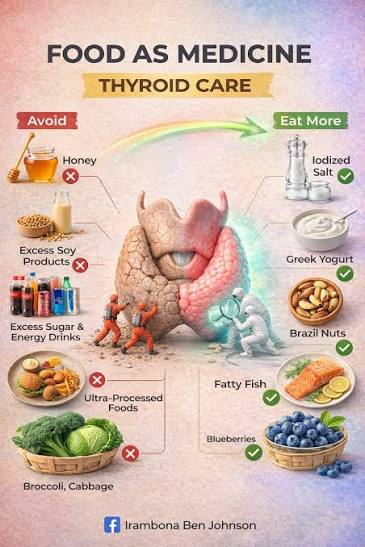
Soy does not usually need to be banned from the diet. Clinical guidance and studies generally say it can fit into a hypothyroidism meal plan, though it may affect thyroid hormone absorption in some people — especially when soy is eaten close to medication time. That is the crux. The question in can you eat soy with hypothyroidism? timing, serving size, and common mistakes is usually about routine, not prohibition. [1][2]
Is soy forbidden? No. Can you keep your thyroid medication working predictably? That is the better question, and it is the one I would use. When your clinician has given you a specific schedule, follow that plan.
What makes soy tricky is the variety. Edamame, tofu, soy milk, and soy protein in a processed bar are not interchangeable, not even close. The more processed the food, the easier it is to eat a lot of soy without really noticing.
Here is the version I would keep in mind:
- Soy is often okay in moderation.
- Medication timing matters more than soy by itself.
- Consistency matters more than perfection.
- When your lab results have been unstable, ask a clinician before making soy a daily staple.
What I mean by “soy,” because the label covers a lot
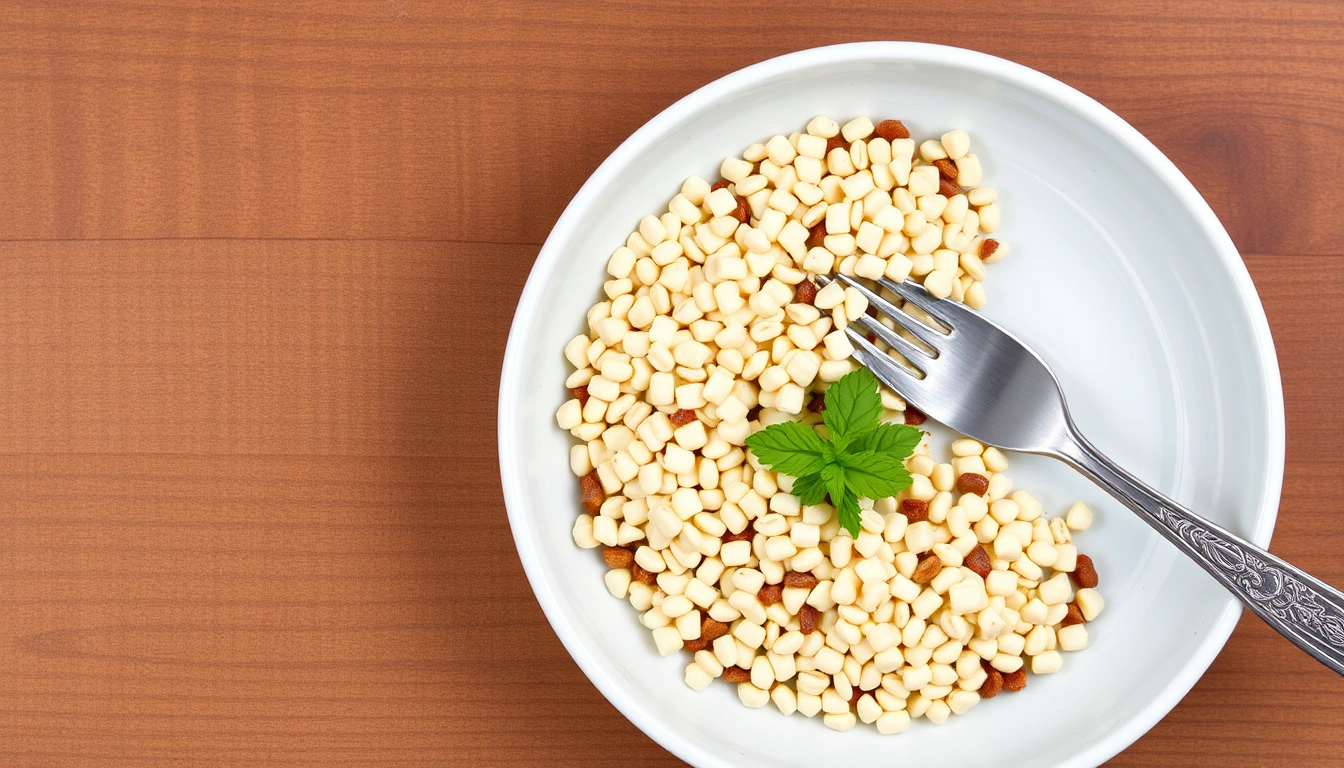
When people ask about soy and hypothyroidism, they usually mean one of four things: tofu, soy milk, edamame, or highly processed soy protein foods. Those are not the same thing. The American Heart Association and NIH resources both distinguish whole soy foods from more concentrated products. [3][4]
I would split soy into three buckets:
-
Whole or minimally processed soy foods
Examples: edamame, tofu, tempeh, unsweetened soy milk. These are the forms that usually come up in nutrition guidance. -
Concentrated soy ingredients
Examples: soy protein isolate, textured vegetable protein, soy protein bars, some meal-replacement shakes. These can deliver a lot of soy in a small serving. -
Supplements and powders
These are the ones I would be most cautious about, because they are easy to overuse and harder to judge by eye.
The common mistake is treating all soy as one thing. “Soy messed up my thyroid” might really mean a large soy shake landed next to a pill, or a diet changed so much that the routine stopped being steady. That kind of mix-up is a bit of a smoke screen. The details matter, and a clinician or pharmacist can help sort out whether soy is the issue or whether another factor is driving the change.
A dietitian or endocrinologist can help sort out whether the issue is soy, timing, total intake, another food interaction, or just a medication schedule that has become hard to maintain. The National Institutes of Health notes that soy can interact with levothyroxine absorption in some contexts. [4]
Timing: the part that usually matters most
For thyroid medication, timing gets more attention than soy itself — and for good reason. Clinical guidance commonly emphasizes taking levothyroxine in a consistent way and keeping it separate from foods or supplements that can interfere with absorption. Soy is one of the foods often discussed in that context. The American Thyroid Association says levothyroxine should be taken consistently, and food timing can matter. [1]
So the issue is usually not “Can I ever eat soy?” It is “How close is soy to my thyroid pill?”
Here is the common-sense version:
- Do not make soy part of the same moment as your thyroid medication.
- Keep your medication routine consistent from day to day.
- When you change your soy intake a lot, tell the clinician who monitors your thyroid labs.
Breakfast routines deserve extra attention. A soy latte, soy yogurt, and a thyroid pill taken together may be fine for some people and irritating for others. When your medication is sensitive to food timing, the simplest fix is often to separate the pill from breakfast and keep breakfast itself steady. MedlinePlus advises taking levothyroxine on an empty stomach for consistent absorption. [2]
The biggest timing mistake is not one “bad” serving. It is repeated inconsistency: soy on some mornings, none on others, pill timing that shifts, and then lab results that are harder to interpret. When your thyroid levels have already been hard to stabilize, that pattern turns everything muddy.
How much soy is too much?
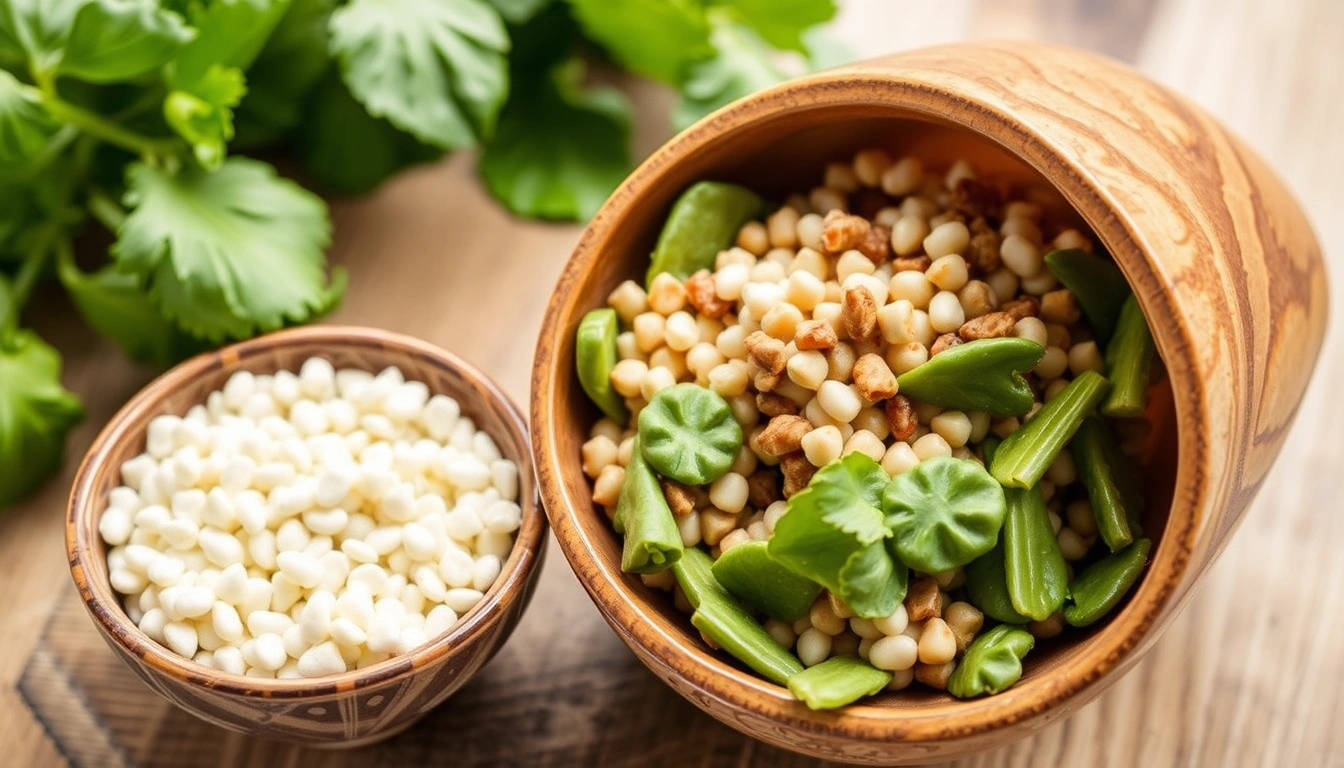
There is no universal serving size I can safely hand you, because people vary and the clinical advice depends on the medication, the rest of the diet, and your lab history. So I would not frame this as a strict allowance. I would frame it as moderation and consistency.
For a lot of readers, a reasonable pattern looks like this:
- a normal portion of tofu or edamame as part of a meal,
- soy milk used occasionally or regularly in a predictable way,
- not stacking multiple concentrated soy products in the same day without a reason.
Trouble usually starts when soy becomes a hidden “high-volume” food. A smoothie with soy protein, a protein bar with soy isolate, soy milk in coffee, and tofu at dinner can add up quickly even when none of those servings looks huge on its own.
I would be especially careful with:
– Soy powders
– Soy protein isolate
– Meal-replacement drinks
– Diet plans that lean heavily on soy as the main protein
Honestly, there is a trade-off here: soy can be a useful protein source, especially for people who avoid meat or dairy, but it can also crowd out variety. Variety makes it easier to see what is affecting you. When every meal is built on the same protein base, it gets harder to tell whether a symptom change comes from soy, medication timing, total calories, or something else entirely. USDA FoodData Central lists many soy foods as substantial protein sources, which is why serving size matters. [5]
The mistake that causes the most confusion
The most common mistake is not “eating soy.” It is changing soy intake and medication routine at the same time, then guessing which change caused the problem.
I have seen this pattern in a lot of thyroid discussions: a person starts eating more tofu, switches breakfast, begins a new supplement, and takes their pill at different times because mornings feel rushed. Three weeks later they feel off and blame one ingredient. Fair enough, but that makes the problem harder to solve.
The cost of that mistake is usually not dramatic in the short term. It is the slow drain of uncertainty:
– lab results that are harder to interpret,
– more diet rules than necessary,
– and a lot of anxiety over foods that may not be the real problem.
One way I would reduce that confusion is to change only one variable at a time. When soy is staying in your diet, keep the amount and timing steady for a few weeks before making another change. When you are moving your medication to a different time of day, do not also overhaul breakfast, caffeine, fiber, and supplements in the same week. Keep the schedule simple for at least 2 to 8 weeks, then review.
That is boring advice. It works, though.
What I would watch before blaming soy
Soy gets blamed for a lot, but it is not always the right suspect. If thyroid symptoms feel worse, I would look at the whole routine.
Questions I would ask:
– Did the medication time change?
– Did coffee or breakfast move closer to the pill?
– Did a new iron, calcium, or fiber supplement appear?
– Did soy intake jump from occasional to daily?
– Did the person switch from whole soy foods to concentrated protein products?
– Did the thyroid condition itself change, regardless of diet?
This matters because a person can eat soy and still have stable thyroid management, while another person can have problems from a completely different interaction. The same food does not behave the same way in every routine.
I would also avoid the common internet mistake of treating soy as if it is either harmless in every amount or dangerous in every amount. Both extremes are too simple. The real answer is messier: soy can fit, but it asks for attention to timing, serving size, and consistency. When you are unsure, consult a clinician, since advice often depends on the medication dose and your latest TSH or T4 results.
When a clinician has already told you your thyroid levels are hard to control, that is the point where I would stop crowdsourcing advice and get individualized guidance.
A simple before-and-after way to think about the change
I do not have personal data to claim a real-world test, and I would not pretend otherwise. What I can give you is the kind of comparison that helps people see the practical difference between a messy routine and a steadier one.
| Metric | Before | After | Change | Timeline |
|---|---|---|---|---|
| Soy timing | Random, often near breakfast | Steady, separated from medication routine | Less conflict with pill schedule | Week 1 to Month 2 |
| Breakfast pattern | Changed often | Kept mostly consistent | Easier to spot what matters | Month 1 |
| Soy form | Mixed shakes, bars, tofu, milk | Mostly whole soy foods | Less concentrated intake | By Day 90 |
| Symptom tracking | Memory only | Written notes in a phone app or journal | Clearer patterns | Week 1 onward |
| Confidence about food choices | Low | More stable | Fewer unnecessary restrictions | By Day 90 |
When I were helping someone build a trackable routine, I would suggest using something simple like a notes app, a calendar, or a symptom log in a phone. The point is not to become obsessive. It is to stop guessing. A 30-day log can be enough to spot a pattern.
Benefits / why soy can still make sense
So, soy is not only about limits; it can also be useful. Soy foods provide protein, and many also offer fiber, iron, and calcium depending on the product. For example, 1 cup of cooked edamame has about 18 grams of protein, while 3 ounces of firm tofu often provides around 8 grams. [5]
Because of that, soy can help when you want:
– a plant-based protein,
– a lower-cost protein option,
– a food that is easy to batch-cook,
– or a swap for meat or dairy on some days.
Whole soy foods can be more useful than ultra-processed soy snacks because they are easier to portion and track. When you like soy, you do not need to remove it just because you have hypothyroidism; you may just need to use it in a steadier way.
Alternatives / vs soy
By contrast, when soy is making your routine harder to manage, you can choose other proteins and still eat well. Common alternatives include eggs, poultry, fish, Greek yogurt, beans, lentils, and nuts. Compared with soy protein shakes or bars, these options may be easier to separate from medication timing and easier to measure consistently.
On the other hand, when you are vegetarian or vegan, soy may still be the most practical protein for you. In that case, the better comparison is not “soy vs no soy,” but “whole soy foods vs concentrated soy products.” That is usually the more useful choice for can you eat soy with hypothyroidism? timing, serving size, and common mistakes.
My bottom line for soy, timing, and everyday eating
When you have hypothyroidism, soy is usually not an automatic no. The more useful question is whether soy fits your medication schedule and your lab stability.
My practical summary is this:
- Whole soy foods can often fit in moderation.
- Keep soy away from your thyroid pill when your clinician has advised food separation or when your labs have been hard to stabilize.
- Avoid big swings in soy intake.
- Be extra careful with soy protein isolates, shakes, and bars.
- Do not change soy, caffeine, supplements, and medication timing all at once.
The biggest mistake I would avoid is making soy the villain before checking the rest of the routine. In thyroid care, the details around timing often matter more than the headline ingredient.
When you are unsure how soy fits with your medication, your symptoms, or your lab history, speak with a qualified health professional who can look at the whole picture. For more on related food timing questions, see how to take levothyroxine, hypothyroidism diet guide, and foods that affect thyroid medication.
[1] American Thyroid Association. Levothyroxine and food timing.
[2] MedlinePlus. Levothyroxine.
[3] American Heart Association. Soy and heart-healthy eating.
[4] National Institutes of Health, Office of Dietary Supplements. Levothyroxine and dietary considerations.
[5] USDA FoodData Central. Soy foods nutrition data.