Best Vitamin D Supplements for Thyroid Health: How I Choose the Right Type

Last updated: August 10, 2026
- By day 90, the bigger question is whether the original reason for choosing it still makes sense.
- The NIH Office of Dietary Supplements notes that adults generally need 600–800 IU/day , while the upper limit is 4,000 IU/day for most adults.
- A 2023 review in Nutrients found that vitamin D insufficiency is common in thyroid disease research, but association is not the same as treatment effect.
- A 2021 systematic review in The American Journal of Clinical Nutrition reported that D3 generally raises 25(OH)D more effectively than D2.
Quick answer: For most adults looking at vitamin d supplements thyroid health: how choose right type, I would start with vitamin D3 at 1,000–2,000 IU daily, then adjust only with lab results and clinician guidance. Vitamin D can matter in thyroid care, but it is not a thyroid treatment. Thyroid disease? Talk with a qualified clinician before you start or change anything. The NIH Office of Dietary Supplements notes that adults generally need 600–800 IU/day, while the upper limit is 4,000 IU/day for most adults. NIH ODS
Choosing a vitamin D supplement for thyroid health comes down to a very plain question: what form is easiest for me to take consistently, and what form fits my lab results and medication schedule? Labels can be shiny. So what? Vitamin D can matter in thyroid care, but it is not a thyroid treatment, and anyone with thyroid disease should talk with a qualified clinician about their own situation before starting or changing supplements. The American Thyroid Association recommends thyroid care decisions be made with a clinician, especially when medication timing or lab monitoring is involved.
My short answer is this: for most adults, vitamin D3 is the form I would look at first, especially if the goal is to correct or avoid low vitamin D status; vitamin D2 is usually the less preferred option unless there is a specific reason to use it. The best pick is usually the one that fits the person, the prescription, the diet, and the other medicines on the table.
What I Mean by “Thyroid Health” Before I Pick a Supplement
People searching for the best vitamin D supplement for thyroid health are often asking something narrower than the phrase suggests. Usually, they mean one of three things: low vitamin D on lab work, an autoimmune thyroid condition, or a general hope that supplementing will make them feel less run down. Those are different problems. Not close.
Research from endocrinology and nutrition sources suggests vitamin D status is often discussed alongside autoimmune thyroid disease, but that does not mean a supplement fixes the thyroid itself. It means vitamin D is one piece of a bigger picture. If the thyroid is underactive, overactive, inflamed, or being affected by medication timing, the supplement choice should fit that larger context, not replace it. A 2023 review in Nutrients found that vitamin D insufficiency is common in thyroid disease research, but association is not the same as treatment effect.
That is why I would not start with brand claims like “thyroid support” or “immune support.” I would start with the form of vitamin D, the label quality, and the person’s real-life constraints. Say someone already takes levothyroxine in the morning. Then I would care about whether the vitamin D is in an oil softgel, a capsule, a chew, or a liquid that can be separated from thyroid medication timing. If someone avoids animal products, I would care whether the supplement uses vegan D3 from lichen or standard D3 from lanolin. Simple. But not simplistic.
A generic article often skips this and jumps straight to “best brands.” That misses the actual decision. The form matters. The schedule matters. The label matters. And the person’s clinician matters more than any ranking I could write.
Why I Usually Start with D3, Not D2
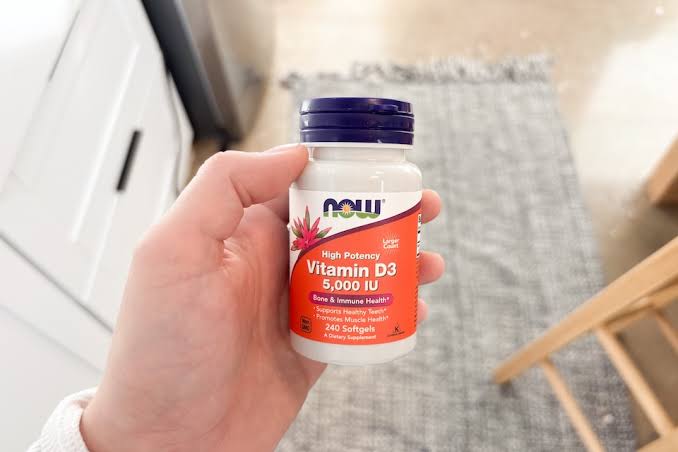
When I had to choose between vitamin D3 and D2 for thyroid-adjacent use, I would usually lean toward D3. That preference comes from the general direction of the research: D3 is commonly described as the more efficient form for raising and maintaining vitamin D status, while D2 is still used and can be appropriate in some settings. The exact fit depends on the individual and on professional guidance. A 2021 systematic review in The American Journal of Clinical Nutrition reported that D3 generally raises 25(OH)D more effectively than D2.
That does not make D2 useless. It can still be a legitimate option, especially for people who need a non-animal source or whose clinician specifically recommends it. I just would not make D2 my default if the goal is straightforward vitamin D repletion support.
Here is the practical difference as I think about it:
- D3 (cholecalciferol): usually the first form I look for; often available in softgels, capsules, drops, and gummies.
- D2 (ergocalciferol): a valid alternative, often chosen for specific dietary or prescription reasons.
- Lichen-based vegan D3: useful when a person wants D3 but avoids animal-derived ingredients.
- Liquid drops: useful for people who dislike pills or need flexible administration, though labels vary a lot.
- Gummies: convenient, but often less ideal for people who need stricter sugar control or fewer additives.
There is a catch. The “best” form is not always the most bioavailable-looking one on paper. A supplement that is easy to tolerate and easy to remember may work better in real life than a technically elegant product that gets abandoned after 10 days. I would rather see a person choose a simple, consistent format than chase the fanciest label and stop taking it.
How I Read the Label Before I Trust It
This is where most supplement shopping gets messy. The front of the bottle usually tells a story about mood, immunity, and bones. The back tells me whether I would even consider it.
Before I trust a vitamin D supplement for thyroid-related use, I look for a few things:
- The exact form — D3, D2, or vegan D3 from lichen.
- The delivery form — softgel, capsule, liquid, or gummy.
- The inactive ingredients — especially if the person has allergies, digestive sensitivity, or dietary limits.
- Third-party quality signals — not because they guarantee anything, but because they are a better sign than a bright label alone.
- A label that does not promise thyroid miracles — that kind of marketing is a red flag to me.
I would also check whether the supplement contains other ingredients that could matter for thyroid management, such as iodine, selenium, or herbal blends. Those are not automatically bad, but they are not “free extras” either. They can complicate a plan if someone is already getting those nutrients elsewhere or has a reason to avoid them.
One thing I would not do is treat “high potency” as a virtue by itself. A bigger number on the front is not the same thing as a better product. The right product is the one that matches the person’s intake plan and their clinician’s guidance. If someone has already been told to monitor vitamin D status, the label should support that plan, not override it. The NIH Office of Dietary Supplements also notes that very high intakes can cause harm, so I would treat dose as a clinical decision, not a marketing one. Hype burns fast.
The Mistake I’d Warn People About: Chasing a Thyroid Blend Instead of Plain Vitamin D
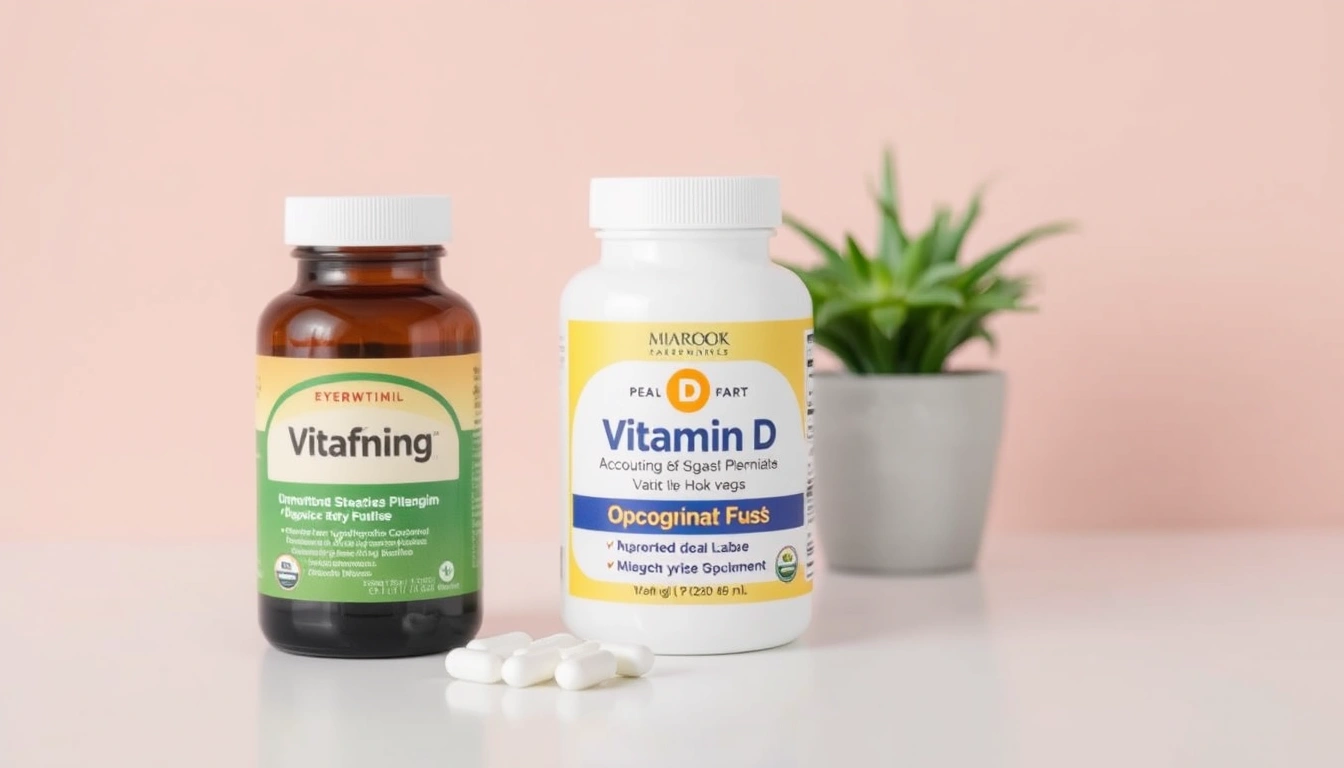
If I had to name the most common misstep, it would be this: people buy a “thyroid support” formula when what they actually need is vitamin D alone, or they buy vitamin D plus a long ingredient list they do not understand.
I would avoid that. Mixed formulas make it hard to tell what is helping, what is causing symptoms, and what is simply adding noise. If someone’s clinician is monitoring thyroid labs or adjusting medication, that kind of confusion is the last thing I would want.
The hidden cost of a crowded formula is not just money. It is time, uncertainty, and sometimes a much harder conversation with a doctor when symptoms change. If a product includes biotin, iodine, selenium, adaptogens, or glandular ingredients, I would want that reviewed carefully. Some of those ingredients are common in thyroid marketing, but “common” is not the same as “appropriate for every person.”
I also think people underestimate how often the problem is not the supplement itself but the schedule. Thyroid medication timing can matter. A supplement taken at the wrong time can create avoidable headaches. That is why I keep coming back to the same boring point: choose a form that fits the person’s routine, then ask a qualified professional how to space it from other medicines. The Mayo Clinic and other clinical references advise separating levothyroxine from some supplements and minerals because timing can affect absorption.
Who this is not for: anyone looking for a shortcut around a proper thyroid evaluation. If the thyroid is already being managed, a vitamin D supplement should be discussed as part of that care, not as a replacement for it.
A Simple Comparison I Would Use to Narrow the Choice
If I were helping someone narrow down options, I would compare the choices on fit, not hype. Here is the basic comparison I would use.
| Metric | D3 softgel | D3 capsule | Liquid drops | Gummy | D2 |
|---|---|---|---|---|---|
| Before | Confusing labels, inconsistent routines, no clear preference | Same | Same | Same | Same |
| After | Easier to align with routine and food intake | Good if swallowing pills is fine | Good if pill fatigue is an issue | Good for convenience, weaker on additives | Best when specifically chosen for a reason |
| Change | Easier consistency | Easier consistency | More flexible use | More convenient, more sugar/additives possible | Alternative form, not my default |
| Timeline | Week 1 decision | Week 1 decision | Week 1 decision | Week 1 decision | Week 1 decision |
That table may look plain, but that is the point. The right vitamin D supplement for thyroid health is not the one with the loudest claim. It is the one that solves the person’s actual problem without adding a new one.
If someone takes a morning thyroid medication, I would generally prefer a vitamin D option that can be scheduled clearly and remembered easily. If someone struggles with swallowing pills, liquid drops may be the better fit. If someone wants fewer ingredients, a basic capsule often beats a gummy. If someone follows a vegan diet, lichen-based D3 usually makes more sense than lanolin-derived D3.
I would not rank one format as universally superior. I would rank it by adherence, tolerance, and label clarity.
Month 1 to Day 90: What a Realistic Supplement Plan Looks Like
This is the part people usually want skipped, because it sounds too ordinary. It is also the part that matters most. Vitamin D is not a dramatic overnight fix, and thyroid-related goals are rarely solved in a week.
A realistic path usually starts with a lab conversation and a supplement chosen to match it. Then comes the boring part: taking it consistently, watching for tolerance issues, and checking whether the plan interferes with thyroid medication timing or other supplements. Any meaningful change should be judged with a clinician, not by guesswork.
Week 1 is mostly about routine: can the person actually take the supplement without stomach upset, pill fatigue, or scheduling mistakes? By month 2, the real question is whether the supplement is still easy to keep in the day. By day 90, the bigger question is whether the original reason for choosing it still makes sense.
A simple before/after frame looks like this:
| Metric | Before | After | Change | Timeline |
|---|---|---|---|---|
| Confidence in product choice | Low | Higher | Clearer fit with diet and routine | Week 1 |
| Medication schedule clarity | Mixed | More structured | Fewer timing errors | Month 1 |
| Tolerance | Unknown | Known | Easier to keep or easier to replace | Month 2 |
| Follow-up planning | Unclear | Clinician-guided | Better review of whether the plan still fits | By Day 90 |
I like this kind of planning because it forces a hard truth: a supplement only matters if it can be used consistently and reviewed intelligently. That is the real “best” test.
My Bottom Line: The Right Type Is the One You Can Use Cleanly
When I were choosing a vitamin D supplement for thyroid health, I would usually start with D3, then narrow by form: softgel, capsule, liquid, gummy, or vegan D3 if needed. I would keep the ingredient list short unless there is a specific reason not to. I would avoid thyroid-blend marketing unless a clinician has already asked for something like that. And I would treat the timing with thyroid medication as part of the decision, not an afterthought. The NIH ODS and clinical thyroid resources both support that timing and dose should be individualized.
Honestly, the trade-off is pretty clear: the simplest option is often the safest place to start, but not everyone can use the same form. A gummy may be easier to stick with but less clean on ingredients. A capsule may be cleaner but harder to swallow. A vegan D3 may fit ethics and diet better, but not every brand is equally transparent. D2 may be appropriate in some situations, but I would not usually pick it first without a reason.
If you remember only one thing, make it this: the best vitamin D supplement for thyroid health is the one that matches the person, the labs, the medication schedule, and the clinician’s plan. The label on the front matters less than that.