Best Dairy-Free Milk Alternatives for a Thyroid Diet: Oat, Almond, Soy, and More

Last updated: August 10, 2026
- A 32-ounce carton commonly ranges from about $2.50 to $6 depending on brand and store.
- In many stores, a 32-ounce carton of plain oat milk now costs about $3 to $5 , depending on the brand.
- But the “best” pick changes when you use thyroid medicine, need more protein, or have an iodine issue.
- For some people, that makes it the best compromise.
Quick Answer: Best Dairy-Free Milk Alternatives for a Thyroid Diet
Quick answer: for dairy-free milk alternatives thyroid diet: oat, almond, soy, more, the most practical default is soy milk for protein, oat milk for taste, and almond milk for the lightest option. In one 8-ounce serving, unsweetened soy milk typically provides about 7 grams of protein, oat milk about 3 grams, and almond milk about 1 gram. Keep dairy-free milk at the same time each day when taking levothyroxine, and ask a clinician or pharmacist about timing.
The best dairy-free milk for a thyroid diet is the one that fits your medication timing, your iodine and protein needs, and your tolerance for additives. I write about nutrition with a thyroid lens, and I want to say this plainly up front: with a thyroid condition, talk to a qualified clinician about your own situation, especially for people using thyroid medication or have been told to watch iodine, calcium, or soy intake. For a broader overview of thyroid medication timing, the American Thyroid Association has patient guidance on levothyroxine use.
My short answer is this: soy milk is often the strongest all-around option for nutrition, oat milk is the easiest everyday swap, and almond milk is the lightest choice when you care more about lower calories than protein. But the “best” pick changes when you use thyroid medicine, need more protein, or have an iodine issue. Simple? Not really.
The Real Difference Between Oat Milk and Soy Milk
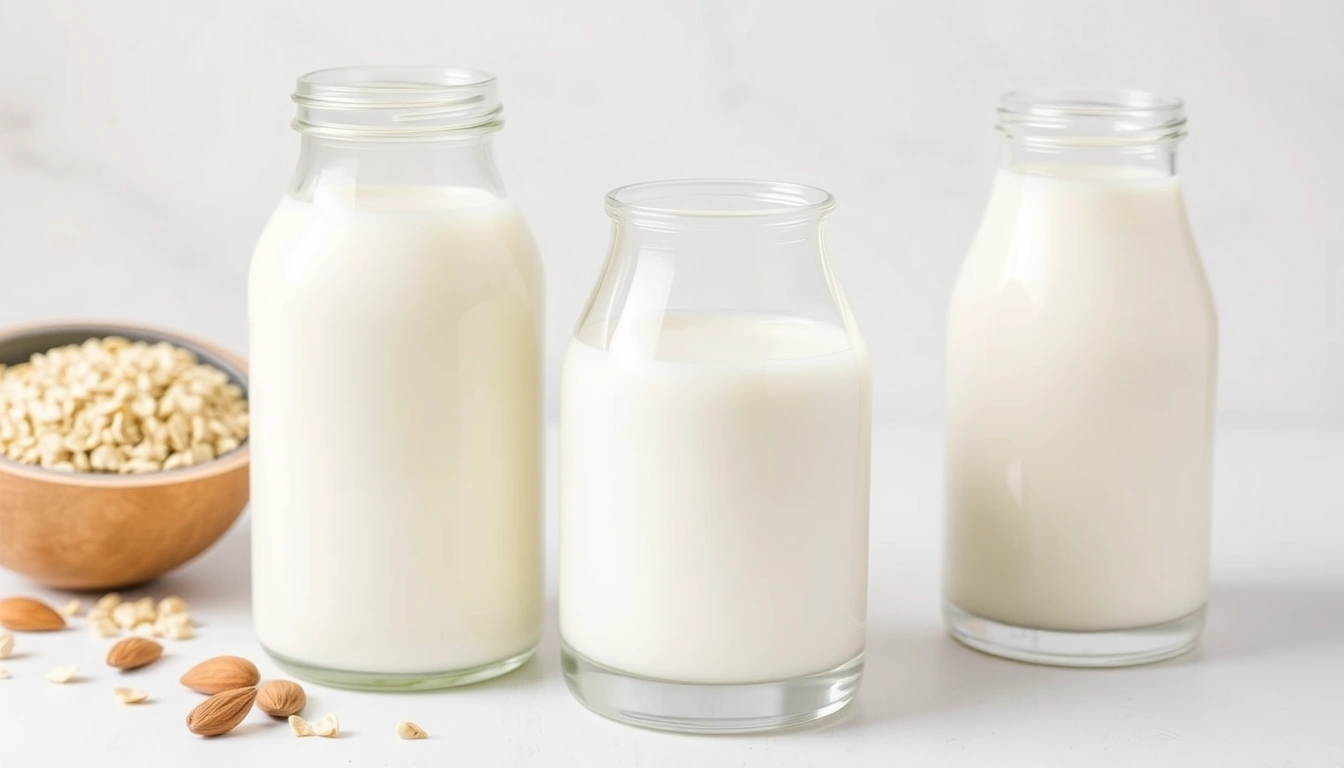
Soy milk wins for thyroid diets when nutrition matters more than flavor neutrality. It usually brings more protein than oat or almond milk, and that matters if dairy used to be your main easy protein source. Research and clinical guidance often focus on soy’s isoflavones and their relationship to thyroid function; the practical takeaway is not “avoid soy at all costs,” but “pay attention to timing and consistency, especially for those who take levothyroxine or have a clinician’s advice on soy.” That is the sort of detail you should review with a pharmacist or doctor. The National Center for Complementary and Integrative Health notes that soy is generally safe for most people in food amounts, but medication timing can still matter.
Oat milk wins when you want a smooth, neutral coffee or cereal milk and you do not want a strong bean taste. It also tends to be one of the easiest swaps for people who miss the mouthfeel of dairy. The trade-off is straightforward: many oat milks are lower in protein and can be higher in added carbohydrate than unsweetened almond milk, so they do less for satiety. In an 8-ounce cup, many oat milks land around 2 to 4 grams of protein.
If I had to choose one for a thyroid diet, I would pick soy milk for most people who want the most useful nutritional profile. I would go with oat milk if the main goal is taste, texture, and easy daily use. The wrong move is assuming “plant milk is plant milk.” On a thyroid diet, the label matters: fortified or unfortified, sweetened or unsweetened, and whether the product adds iodine, calcium, or a long list of gums and oils all change the picture. Labels can be sneaky little tricksters.
Soy Milk: Who Should Actually Use This (and Who Shouldn’t)
Soy milk is the strongest pick for people who want a dairy-free milk with real nutritional heft. It is the one I would point to if your old habit was pouring milk into coffee, cereal, smoothies, or cooking and you want something closer to dairy’s protein profile. It usually behaves well in recipes and gives a fuller body than almond milk. In plain numbers, unsweetened soy milk often gives you about 7 grams of protein per cup.
The main strength is obvious: protein. For someone trying to keep meals more filling, soy is the most useful of the common dairy-free milks. Clinical sources also commonly discuss soy as safe for many people with thyroid disease when eaten in normal food amounts, though medication timing can matter. That “can matter” part is not trivial. If you take thyroid medicine, a soy habit may need to be discussed with your clinician so you understand how your routine and absorption fit together. The American Thyroid Association advises separating levothyroxine from interfering foods and supplements.
The drawbacks are real, too. Some people dislike the flavor, especially in plain drinks. Others get digestive upset. A few people prefer to keep soy minimal because their endocrinologist has given them individualized advice, or because they do not want any uncertainty around timing with medication. I would not push soy on someone who already knows it does not sit well with them.
Who should use soy milk? People who want the most balanced dairy-free option, can tolerate soy, and are willing to keep medication timing and consistency in view. Who should skip it? Anyone who strongly dislikes the taste, reacts poorly to soy, or has been told by a clinician to avoid it for a specific reason.
Almond Milk: The Specific Situations Where It Wins
Almond milk wins when you want the lightest, simplest-tasting milk and you are not relying on it for protein. That is the cleanest way to think about it. It is popular because it disappears into coffee, tea, smoothies, and baking without making itself the center of the drink.
For a thyroid diet, almond milk can fit well because it is generally low in protein and fairly easy on calories if you choose an unsweetened version. That makes it appealing if you use milk mainly for texture rather than nutrition. It also tends to have a mild taste that many people find easier to live with every day than soy. Unsweetened almond milk often has about 30 to 40 calories per cup, which is one reason it is a common low-calorie swap.
Here is the honest weakness: almond milk is not a nutritional replacement for dairy. If you were using milk as a protein source, almond milk leaves a gap. It also varies a lot by brand, and some versions are thin enough that they feel more like flavored water than milk. Fortification helps, but fortification is not the same thing as naturally useful protein. A bit of lip gloss, not a full meal.
I would choose almond milk when the goal is a light, neutral dairy-free pour for coffee or a cereal bowl, and you do not care that much about protein. I would not choose it as the main milk for someone who depends on that glass of milk to help meet daily nutrition needs. That is the line.
Oat Milk: The Honest Side-by-Side
Oat milk is the comfort pick. It tends to make coffee taste rounder, smoothies creamier, and cereal feel more familiar. For many people, that matters enough to make it the milk they actually keep buying. That is a legitimate advantage, because many people keep using the option that fits their routine.
For dairy-free milk alternatives thyroid diet use, oat milk is neither automatically “healthier” nor automatically a bad idea. Its real value is usability. If your diet is already complicated by medication timing, labels, and food rules, oat milk can be the least annoying option. That matters because a diet that feels punishing rarely lasts. In many stores, a 32-ounce carton of plain oat milk now costs about $3 to $5, depending on the brand.
Its drawback is that oat milk often comes with less protein and, depending on the brand, more carbohydrate than you may want. Some versions also include gums, oils, or added sugars. If your thyroid situation also overlaps with blood sugar concerns, that matters even more. I would steer you toward unsweetened versions if you go this route.
The Honest Side-by-Side
| Criteria | Oat Milk | Soy Milk | Winner for this condition |
|---|---|---|---|
| Protein content | Usually modest | Usually higher | Soy, if protein matters |
| Taste in coffee | Creamy, mild, close to dairy | More distinct, sometimes beany | Oat, for coffee drinkers |
| Best for satiety | Lower | Higher | Soy |
| Medication timing concerns | Usually less discussed | More worth reviewing with clinician | Oat, if you want fewer soy-related questions |
| Digestive tolerance | Varies, often easy for many people | Varies; some people react to soy | Depends on the person |
| Recipe texture | Smooth and rich | Works well, slightly different mouthfeel | Oat, for creaminess |
| Label variability | Can be high | Can be high | Tie; check ingredients |
| Best for low-protein needs | Yes | No | Oat |
| Best for a more nutrition-dense swap | No | Yes | Soy |
The Honest Side-by-Side: Almond Milk and the Others
Almond milk wins only if your main goal is a lighter, lower-protein milk and you accept that it contributes less nutritionally than soy. That is not an insult; it is just the truth. It has a place. It just is not the strongest all-purpose choice for a thyroid diet.
Compared with oat milk, almond milk is usually thinner and less satisfying. Compared with soy milk, it gives up protein. Compared with coconut milk beverage, it is often lighter and less rich. Compared with pea milk, it usually has less protein. So almond milk’s job is narrow: coffee, tea, light cereal use, and recipes where you want the milk to stay in the background.
The weakness is that many people choose almond milk because it sounds “healthy,” then discover it does not carry much nutritional weight. If you rely on it as your default milk, you may end up underestimating how little it contributes. That is a real consequence, especially if your thyroid diet already asks you to think about nutrient density.
I would choose almond milk for someone who loves the taste, wants a lighter pour, and gets protein elsewhere. I would skip it for someone trying to replace dairy nutrition with one simple swap.
Coconut Milk, Pea Milk, and Other Dairy-Free Options
Coconut milk beverage wins for richness, not for thyroid-specific nutrition. It can make coffee and curries taste luxurious, and that is its main strength. The drawback is that many coconut milks used as beverages are low in protein and may not be especially helpful if you want a milk that does more than add flavor.
Pea milk is worth a look if you want a higher-protein dairy-free option without soy. For some people, that makes it the best compromise. It can be a smart answer when soy does not suit you but you still want a more filling milk than oat or almond. The downside is taste: some brands have a more noticeable flavor than oat milk, and not everyone likes it. Many pea milks provide about 7 to 8 grams of protein per cup.
Cashew milk sits near almond milk on the spectrum: mild, creamy, and usually low in protein. Rice milk is generally the least useful for a thyroid diet if you are looking for protein or mineral density, though some people tolerate it well and like the taste. I would treat rice milk as a niche option rather than a default, and I would suggest checking with a pharmacist or dietitian if you are choosing it because of thyroid medication, digestion, or a specific mineral concern. The U.S. Department of Agriculture’s FoodData Central can help you compare labels and nutrients.
If you want the most useful non-dairy milk for a thyroid diet, I would look at soy first, then pea, then oat, then almond. That order changes only if taste, medication timing, or personal tolerance changes the picture. No magic, just trade-offs.
How to Choose the Right Dairy-Free Milk for a Thyroid Diet
Start with your main use: coffee, cereal, smoothies, or cooking. If you want protein, choose soy or pea. If you want taste and texture, choose oat. If you want the lightest option, choose almond.
Next, check the label. Pick unsweetened versions when possible, and compare protein per cup, calories, and added sugars. A difference of 6 grams of protein between brands can matter more than marketing.
Then, look at your medication routine. When taking levothyroxine, ask a pharmacist or clinician whether your milk choice should be separated from your dose. The American Thyroid Association recommends consistent timing and attention to foods that may interfere with absorption.
Finally, test one carton before buying a bulk pack. If you will not drink it regularly, it is not the right option for you.
Our Verdict: Which One to Choose and Why
Choose soy milk if you want the most nutrition-dense everyday option and you are comfortable discussing soy and thyroid medication timing with a qualified professional. Choose oat milk if you want the easiest, best-tasting all-purpose swap and protein is not your main concern. Neither if you need a milk substitute for medical reasons that require individual guidance, if you have a soy allergy and dislike oat, or if you are using flavored, sweetened versions that make the label too messy to trust.
If you want my blunt recommendation: soy is the better default for a thyroid diet; oat is the better lifestyle choice. That split is the real answer most people need.
When you shop, check labels instead of marketing. Look for unsweetened versions if you are watching sugar. Scan the ingredient list for added oils, gums, and sweeteners if your stomach is sensitive. Fortified versions can be useful, but fortification does not erase the need to think about the whole product.
And because readers actually have to buy this stuff somewhere, I would treat each option as widely available through brand websites and major retailers such as Amazon, Walmart, or Target, so you can compare formulas and check the current price before you commit. A 32-ounce carton commonly ranges from about $2.50 to $6 depending on brand and store.
When to Reconsider This Choice Entirely
There are a few cases where I would stop thinking in terms of “best milk” and start thinking in terms of “medical fit.”
First, when you take thyroid medication and your routine is already complicated, ask a clinician or pharmacist how your milk choice fits with your timing. That matters more than brand loyalty. The National Institutes of Health and major thyroid organizations both emphasize medication consistency.
Second, if you have been told to manage iodine, calcium, or soy in a specific way, do not generalize from internet advice. Individual guidance beats category advice every time.
Third, if you are choosing plant milk because dairy upset your stomach but you still need protein, do not stop at almond milk. Consider whether soy or pea would better match your goals.
Fourth, if you are relying on milk as a major nutrition source for a child, older adult, or someone with a restricted diet, the label becomes more important than the category. At that point, a dietitian is the right person to ask.
My bottom line is simple: for a thyroid diet, I would put soy milk first, oat milk second, almond milk third, and I would keep pea milk on the shortlist if soy does not work. The choice that supports your medication routine, your digestion, and your actual nutrition needs is the one to use — not the one with the friendliest label.