
Last updated: November 19, 2026
Quick answer: For most people taking levothyroxine tablets, plain water is the usual choice. Consistency matters more than the exact brand. In the article Can You Take Levothyroxine with Water Only? Bottle, Filtered, and Mineral Water Compared, the practical answer is plain water — and mineral-heavy options are better avoided when possible. For unusual situations — for example, trouble swallowing, a feeding tube, or thyroid labs that keep changing — speak with a qualified clinician about your own routine.
Key Takeaways
- Water helps the tablet go down smoothly.
- Levothyroxine tablets are usually taken with plain water.
- Tap water is often fine when it is safe and not mineral-heavy.
- A comfortable small glass of water and a steady routine are the goal.
Who this applies to, and what it assumes
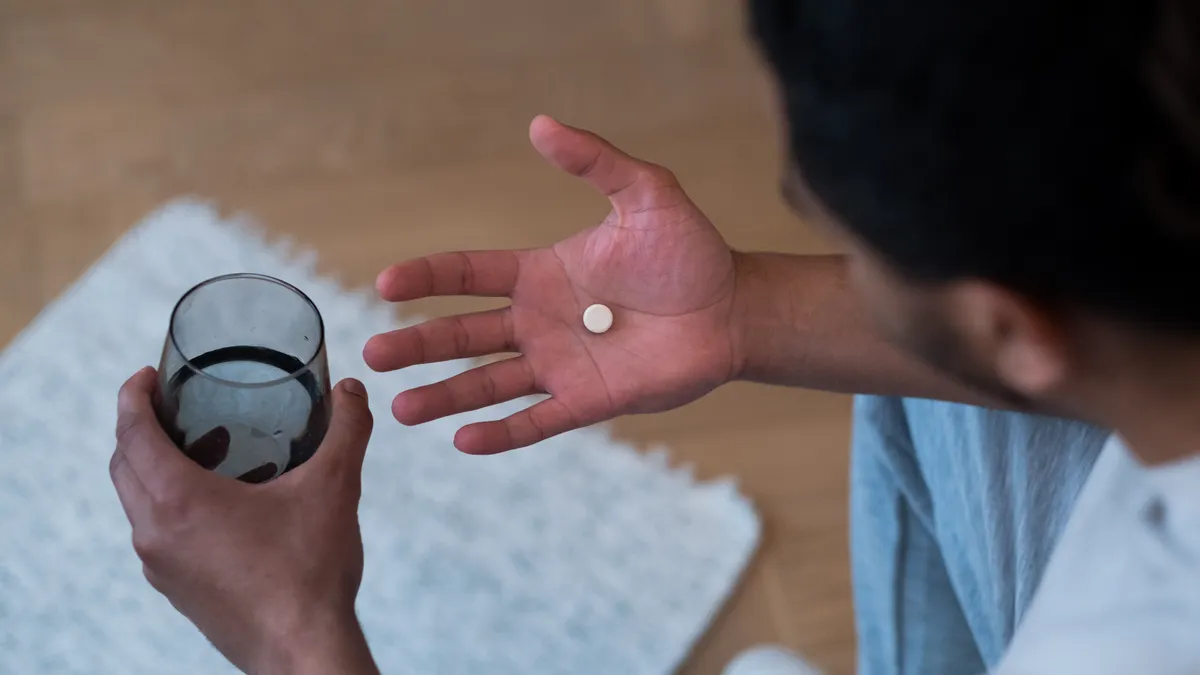
This applies to people taking levothyroxine tablets who want to know whether a sip of water is enough, and which water choice matters most: tap water, filtered water, bottled water, or mineral water. It assumes the tablet is being taken as a tablet, not a liquid or soft-gel formulation. And it assumes the goal is a simple morning routine that is easy to repeat.
The question is narrower than many medication guides make it sound. The issue here is not whether levothyroxine can be swallowed with water — it usually can — but whether the type of water changes anything meaningful. For most people, plain water is the default. Taste and branding are distractions; dissolved minerals, bottle residue, and additives are the real wrinkles.
PubMed has records on levothyroxine administration, absorption, and related thyroid medication routines, including review articles and systematic reviews, but the search results vary by query and date range. That mix says a lot: the literature focuses more on medication handling and absorption than on brand-name water comparisons.
For the broader routine around thyroid medication timing and daily habits, the hub on thyroid medication timing and daily routines is the better place for the full picture.
What water does, and what it does not do
Water mainly helps a levothyroxine tablet go down cleanly. It is not there to “activate” the medicine. It just gets the tablet into the stomach without sticking in the throat or breaking up in a way that makes swallowing unpleasant.
The real distinction is between plain water and water with extra dissolved material. Tap water varies by location, but it is usually fine to drink. Filtered water is usually fine too, because most household filters are designed to improve taste, odor, or specific contaminants, not to add minerals. Bottled water is usually fine when it is still plain water. Mineral water deserves a closer look because it can contain higher levels of calcium, magnesium, sodium, bicarbonate, or sulfate, depending on the source and label.
Those minerals matter because levothyroxine absorption can be sensitive to several things in the stomach and intestine. Studies suggest that some minerals and some food components can reduce absorption when taken close together. That does not mean every mineral water is a problem; it means mineral water is the least boring choice of the four. If the label lists mineral content in meaningful amounts, it is no longer just water in any practical sense.
A good rule is simple: when the water tastes like ordinary drinking water and is not marketed for mineral content, it is usually the least complicated choice. When the label emphasizes calcium, magnesium, or total dissolved solids, that water is more likely to be a poor default for a medication habit that needs to stay steady day after day.
Can you take levothyroxine with water only?

Yes, levothyroxine tablets are generally taken with water only, and plain water is the standard beverage people use. The main reason is consistency: a simple routine is easier to repeat, and repeatability matters for a medication where absorption can be affected by what else is present.
The better question is not “Can I?” but “Can I do it the same way every day?” A single dose taken with plain tap water one morning and mineral water the next is not the kind of change a person wants to build into an already sensitive routine. In practice, levothyroxine has a narrow margin for routine mistakes, even though the exact effect varies by person and formulation.
The literature base is not large on water-type comparisons specifically, but what is available fits a cautious stance: plain water is the cleanest default, and mineral-heavy water is the one most likely to introduce avoidable variables. That is why many clinicians and medication leaflets describe water as the preferred liquid without getting fancy about brands. A person does not need distilled water or a special medical bottle; they need an ordinary glass of water that does not add extra ingredients.
One practical point often missed: “with water only” means water only at the moment of swallowing. It does not mean the rest of the routine can be random. If breakfast, coffee, supplements, or another medication follow immediately, the water choice becomes a smaller issue than timing and separation. This page is not the place for the full separation list, but the general pattern is clear: keep the dose simple, then keep the rest of the routine predictable.
Bottle, filtered, tap, and mineral water compared
Plain tap water is usually acceptable when it is safe to drink and does not have an unusual mineral profile. For most readers, tap water is the most practical choice because it is already available and does not require a special bottle. The only real drawback is variability: water chemistry differs from place to place, so “tap water” in one home may not behave like tap water elsewhere.
Filtered water is also usually acceptable. A basic carbon filter changes taste and odor more than it changes mineral content. That makes filtered water a good choice if it helps someone drink the same way every day. The weak point is overconfidence: some filters remove only certain contaminants and leave the mineral content mostly intact, so filtered water is not automatically “safer” for absorption than tap water. It is just often more pleasant.
Bottled water is usually fine when it is ordinary still water. The label matters. “Spring,” “purified,” or “drinking water” is not the same as “mineral water.” Bottled water can be convenient when travel or work makes home water routines messy, but it is also easy to overthink because the packaging can imply quality without saying much about dissolved minerals.
Mineral water is the one to be cautious with. If the bottle is explicitly mineral water, it may contain enough dissolved minerals to make it a less reliable default for levothyroxine. That does not mean every sip causes a problem. It means mineral water is the least neutral choice, especially if the person is trying to reduce variables in thyroid lab results or avoid unexplained swings in symptoms and test values.
The best beverage for medication here is not the fanciest one; it is the one with the fewest unknowns. For levothyroxine, that is usually plain water at room temperature.
How to take levothyroxine with water, step by step
Once you have plain water ready, take the tablet with a small glass of water and keep the routine as consistent as possible. The goal is not a ritual; it is a repeatable method.
- Put out the tablet and a glass of plain water. Use tap, filtered, or ordinary bottled water, not mineral water. Make sure the label does not list added minerals or carbonation. Choosing flavored water because it seems “close enough” is a bad sign.
- Take the tablet with one swallow of water, not a mouthful of something else. The action should be simple: tablet first, water second, and no juice, coffee, or milk mixed in. Make sure the tablet is fully swallowed. A tablet that sticks in the throat or gets chewed is a problem sign.
- Use the same type of water each day. Pick one source and stick with it for consistency, whether that is tap or filtered water. Make sure the taste and source stay stable from day to day. Switching among mineral water, tap water, and flavored bottled water without tracking it is a problem sign.
- Keep the dose separated from breakfast and coffee by whatever schedule your clinician or prescription instructions specify. The exact interval varies, but the key is not to compress everything into one minute. Make sure the next drink or meal is not an accidental part of the dose. Taking the tablet with breakfast “because it still went down” is a problem sign.
- Do not dissolve the tablet in a full bottle or sports cap unless a pharmacist or clinician has specifically said that is appropriate for your formulation. A swallowed tablet and a mixed drink are not the same thing. Make sure the medicine is taken as directed on the label. Using a bottle as a dispenser and losing track of the dose is a problem sign.
- Use the same glass size and volume when possible. A normal drinking glass is enough; there is no special medical volume requirement for most people. Make sure the tablet does not linger at the bottom of the mouth or throat. Tiny sips that do not clear the tablet well are a problem sign.
- Watch for routine changes that could alter absorption. Travel, new water filters, mineral water at hotels, or a switch from tap to bottled water can change the routine without looking dramatic. Check whether the new water is still plain water. A new brand with a mineral-heavy label is a problem sign.
- If the routine is hard to repeat, simplify it before changing the medicine itself. A plain glass of water at the same time every day is easier than a complicated setup. Make sure the routine is realistic for workdays and weekends. A routine you already know you will not maintain is a problem sign.
The point of the steps is not to create ceremony. It is to strip away variables that can muddy thyroid management over weeks, not minutes. Research on levothyroxine administration usually looks at outcomes over weeks to months, which is why a steady routine matters more than a single swallow.
When plain water is not the whole answer
Because plain water is the default, the next question is when that simple advice needs extra context. A person taking a standard tablet usually does not need special water. A person using a liquid levothyroxine formulation, a soft-gel capsule, or a feeding tube is in a different category and should not assume the same advice transfers unchanged.
Another edge case is hard water, which can carry higher mineral content even when it comes from the tap. Hard water is not automatically a problem, but it is a reminder that “tap water” and “plain water” are not identical in every household. If thyroid lab results keep changing for no obvious reason, review the full routine — including the water source — with a clinician or pharmacist.
Travel is another practical exception. Hotel bottled water is often plain still water, but not always. Some bottled products are mineral water in disguise, and some are flavored or carbonated. If the bottle lists calcium, magnesium, bicarbonate, or sulfate, it is not the same as ordinary water. That matters more for consistency than for one isolated dose.
A final edge case is the person who cannot reliably swallow tablets with water. That is not a reason to improvise with juices, coffee, or mineral water. It is a reason to get a professional to help sort out the formulation and administration method. The label and the swallowing method should fit the person, not the other way around.
When to stop and get advice instead
This simple water-only approach should be paused and reviewed in the following situations:
Mineral water is the only available option: it may add minerals that are not part of the intended routine — choose ordinary tap, filtered, or plain bottled water if possible, or ask a pharmacist what counts as plain water on the label.
The bottle is labeled “mineral,” “electrolyte,” or “enhanced”: it may contain more than water — do not assume it is neutral just because it is clear.
The tablet is hard to swallow or sticks in the throat: the method is not working as intended — get help with swallowing technique or formulation choice rather than forcing the routine.
The person uses a feeding tube or cannot swallow whole tablets: the standard tablet-and-water method does not apply — a clinician or pharmacist should guide the administration method.
Thyroid labs or symptoms seem inconsistent despite a stable routine: the water source may be only one of several variables — review the whole schedule with a qualified professional instead of changing random parts at home.
The water source changed recently, especially during travel or after a filter change: the routine may no longer be the same routine — check whether the new water is still plain water and whether it has a mineral profile that stands out.
These are not dramatic emergencies, but they are the moments when “just use water” stops being precise enough. Levothyroxine works best when the routine is boring; when the routine has become complicated, that is the point to bring in expert help.
The mistakes people make with water, and why they matter
The most common mistake is using mineral water because it feels healthiest. The consequence is avoidable variability in a medication routine that should stay steady. The better alternative is ordinary plain water with no mineral emphasis on the label.
A second mistake is switching water types without thinking about it. One day it is tap water, the next it is sparkling bottled water, then a mineral brand from the airport. That kind of drift does not look dramatic, but it can make the routine less predictable.
Another mistake is treating water as irrelevant once the pill is swallowed. Water choice does matter less than timing, but it is still part of the routine. The safest approach is to keep the water plain and the method repeatable.
A final mistake is assuming “bottled” means “plain.” Bottled water can be ordinary still water, but it can also be mineral water or something enhanced. If the label has mineral language, it deserves a second look before it becomes the daily default.
Drafted with AI; not yet reviewed by a person.